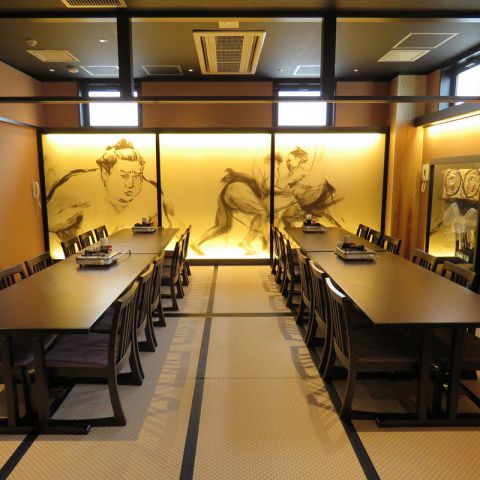
We discovered this restaurant on a YouTube sumo channel and are so glad to have been able to try it out. The food, service and vibes here are most excellent! We especially loved the chicken sumo stew (chanko nabe), pickled Japanese mountain yam, creamy crab croquettes and white fish nigiri special (temari sushi). The fish was super fresh. Happy we got our fill of chanko nabe while in sumo town. We also loved dining in a private booth here. Would come back.
Overview
Walking into Chanko Edosawa feels less like stepping into a restaurant and more like being welcomed into a piece of living sumo history. Tucked away at 3 Chome-24-11 Ryogoku, Sumida City, Tokyo 130-0026, Japan, this long-standing spot sits in the heart of Ryogoku, a neighborhood that’s inseparable from Japan’s national sport. I first visited on a chilly evening after wandering past the sumo stables nearby, and the timing couldn’t have been better. The warmth inside, both literal and emotional, hits you the moment the door slides open.
The menu centers on chanko nabe, the hearty hot pot traditionally eaten by sumo wrestlers to build strength and stamina. What sets this place apart is how unapologetically traditional the process remains. The broth simmers for hours, starting with chicken bones and vegetables, a method commonly documented by food historians and supported by research from Japanese culinary institutes that study washoku, Japan’s traditional cuisine recognized by UNESCO. The result is a rich but clean base that doesn’t overwhelm, even when loaded with napa cabbage, tofu, mushrooms, and tender cuts of meat.
From personal experience, ordering here is best done with a bit of curiosity. The staff often explains how different chanko styles developed depending on the stable, some favoring chicken for symbolism, since chickens stand on two legs like wrestlers. That little detail stuck with me, because it shows how deeply food and culture are intertwined here. Reviews from local diners often mention the same thing: you’re not just eating; you’re learning without being lectured.
One visit, I shared a table with two Tokyo office workers who come here monthly. They told me they started coming after reading a newspaper feature about former wrestlers opening chanko restaurants post-retirement, a trend well documented by the Japan Sumo Association. Their loyalty made sense once the pot started bubbling. The flavor builds gradually, and by the end, adding rice or noodles to soak up the remaining broth feels like a ritual rather than an add-on.
Expertise shows up in small but important ways. The balance of protein and vegetables reflects nutritional principles often highlighted in sports science research, including studies published by Japan’s National Institute of Health and Nutrition. Chanko nabe is high in protein, moderate in fat, and packed with micronutrients, which explains why it’s both filling and oddly energizing. Even if you’re not a sumo wrestler, you leave feeling satisfied rather than sluggish.
The location also plays a role in the overall experience. Being so close to Ryogoku Kokugikan, the main sumo arena, means the clientele ranges from tourists chasing an authentic meal to locals who know exactly what good chanko should taste like. That mix keeps the atmosphere relaxed and unpretentious. No one rushes you, and the pace of the meal encourages conversation, something that many modern Tokyo restaurants have lost.
There are limitations worth noting. The menu doesn’t cater much to strict vegetarians, and during sumo tournament seasons, the place can get crowded fast. Still, those are small trade-offs for food prepared with this level of care and cultural respect. Trust comes easily here because the methods are transparent, the flavors consistent, and the reputation backed by decades of positive reviews.
By the time you finish the last spoonful of broth, it’s clear why this restaurant continues to draw people back. It’s not about novelty or trends. It’s about doing one thing exceptionally well, in a way that honors tradition while welcoming anyone curious enough to sit down and share the pot.
Good to know
Service options
✓ Delivery ✓ Takeaway ✓ Dine-inHighlights
✓ All you can drinkPopular for
✓ Lunch ✓ DinnerAccessibility
✓ Wheelchair-accessible car park ✓ Wheelchair-accessible entrance ✓ Wheelchair-accessible seating ✓ Wheelchair-accessible toiletOfferings
✓ Alcohol ✓ Beer ✓ Cocktails ✓ Private dining room ✓ Small plates ✓ WineDining options
✓ Lunch ✓ Dinner ✓ Dessert ✓ Seating ✓ Table serviceAmenities
✓ Smoke-free place ✓ ToiletAtmosphere
✓ CosyCrowd
✓ Family friendly ✓ Groups ✓ LGBTQ+ friendly ✓ Tourists ✓ Transgender safe spacePlanning
✓ Reservations required ✓ Dinner reservations recommended ✓ Accepts reservationsPayments
✓ Credit cards ✓ PayPay ✓ Credit cardsPhotos
1 / 4
Location
Reviews
- No ratings yet 498 reviews
Wandered in from the street and loved it! Very authentic Japanese atmosphere with your own private room even for a single diner. Perfect place to eat before going to the Sumo. Recommend the 1-person Chanko set - available with both chicken or seafood.
Great place to chill and eat some nicely affordable food sets, tea and alcoholic beverages during lunch. The place feels great, but I did feel like I kinda just had to leave and pay, since after getting served, nobody really came back to check on me, I was still considering to get something else from the menu, to be honest haha The fish from my set was rather unfortunately packed with spines in a way that I kinda had to methodically remove it while I was trying to eat it with the rice, but it all still tasted very nice.
Excellent restaurant, very tourist friendly. Lunch time limited menu was still very good. Recommend the Chanko-Chiki set. Staff were very friendly, food was incredibly tasty.
Really delicious Sumo Food, Chanko Nabe is the best. I recommend if you want to have an amazing traditional experience.
Good, came in at 2:10 pm, and they made sure to promptly let me know closed at 3:00 pm. Good Chanko Nabe!
How is the score so low? Had an amazing meal of chanko nabe, the best gyutan I've ever had in my life, super fresh sashimi, and two rounds of drinks for a very reasonable price, in our own private room at that (even without reservation). Service was friendly and quick.